
TL;DR:
- Most common household issues like leaks and squeaks can be DIY fixed if homeowners know the right tools and procedures. Regular maintenance, moisture control, and timely repairs prevent costly damages in Middle Georgia homes affected by humidity and heat. However, complex electrical, gas, or hidden structural problems require calling licensed professionals to ensure safety and proper resolution.
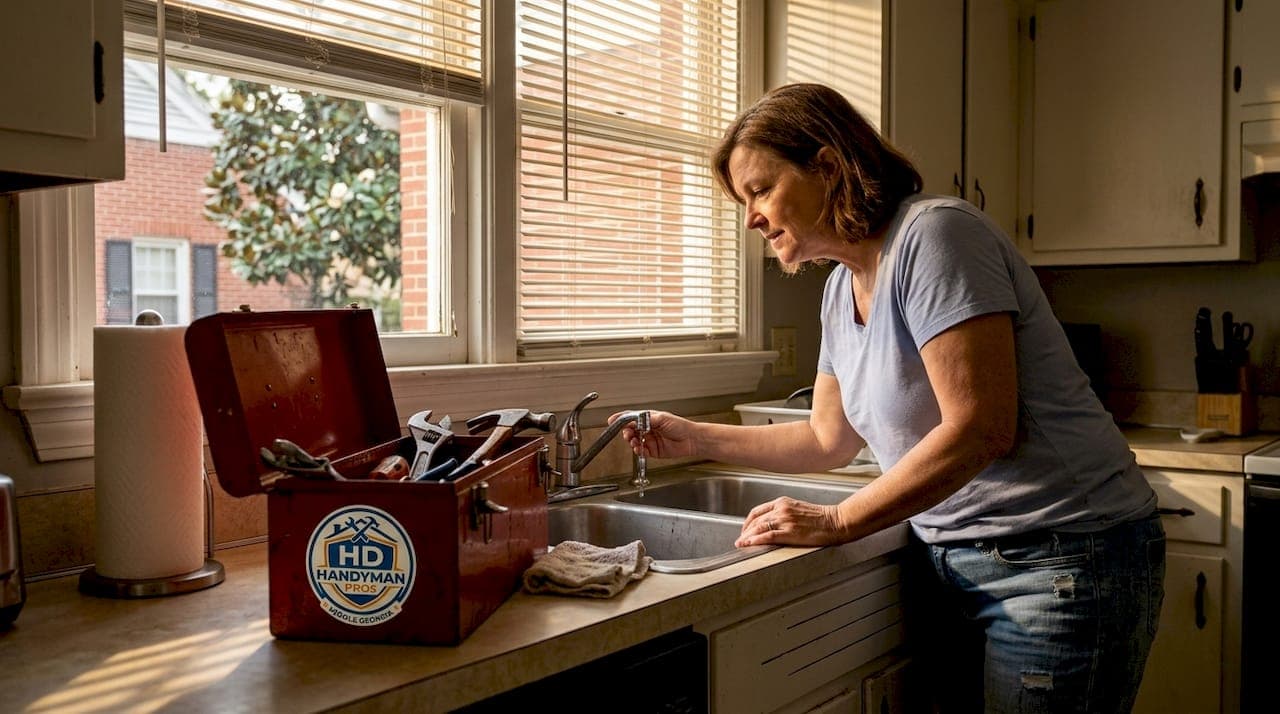
Dripping faucets, musty smells near the bathroom, a floor that squeaks every time your kid sneaks to the kitchen at midnight — these nagging issues share one thing in common. You can fix most of them yourself, without calling anyone, if you know what to look for and have the right approach. Middle Georgia homeowners deal with a specific set of challenges: high humidity, hot summers, and homes that work overtime from April through October. This guide gives you concrete, actionable steps to tackle the most common maintenance issues before they become expensive repairs.
Key Takeaways
| Point | Details |
|---|---|
| Check hidden moisture zones | Inspect under sinks and behind toilets regularly to prevent leaks and mold. |
| Replace HVAC filters often | Change filters four times a year or monthly for healthy air and efficient operation. |
| Fix minor leaks quickly | Immediate repair of faucet or drain leaks can prevent bigger issues later. |
| Know your DIY limits | Always call a professional for electrical, gas, or persistent/complex repairs. |
| Use practical checklists | Seasonal and yearly checklists keep maintenance manageable and prevent neglect. |
Gathering your DIY essentials: Tools, materials, and safety
Having the right tools on hand before a problem shows up is the single biggest difference between a quick fix and a stressful afternoon. You don't need a truck full of gear. A focused kit handles about 80% of what you'll face around a typical Middle Georgia home.
Your core tool kit should include:
- Adjustable pliers and needle-nose pliers
- A set of flathead and Phillips screwdrivers (multiple sizes)
- An adjustable wrench and a pipe wrench
- Utility knife with extra blades
- Flashlight or headlamp with fresh batteries
- Level, tape measure, and stud finder
- Work gloves and safety glasses
Common materials worth stocking:
- Plumber's pipe tape (Teflon tape)
- Waterproof caulk and grout for bathrooms and kitchens
- HVAC filters in your system's size
- Shims for door frames and floor leveling
- Wood screws in assorted sizes
- PVC cleaner and cement for small pipe joints
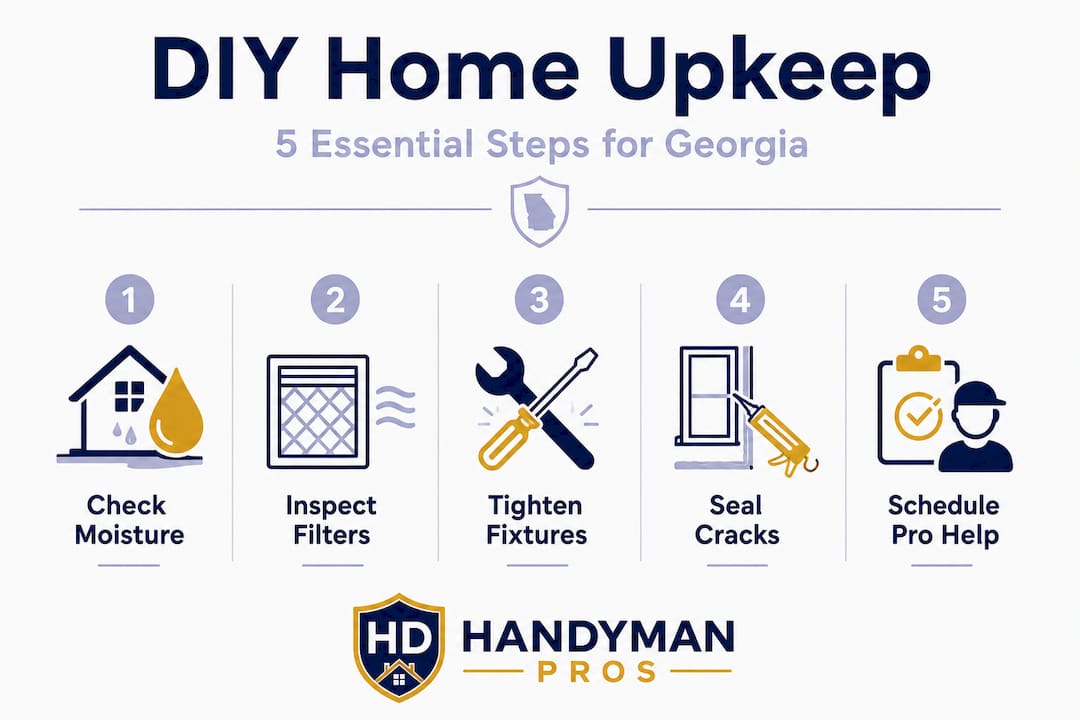
A yearly and seasonal checklist is the most practical way to stay on top of moisture control, HVAC airflow, and drainage around your home. The checklist approach works because it builds habits. Instead of reacting to problems, you get ahead of them. You check gutters before the fall rains come. You swap filters before the humidity peaks. You inspect under sinks before a slow drip becomes a soaked cabinet floor.
Safety note: Never attempt to repair electrical panels, gas lines, or any work requiring a licensed permit on your own. Even experienced DIYers stop at these jobs. The risk is not just to your home, it's to your family. When in doubt, call a licensed pro.
The "seasonal checklist" mindset also helps you budget. Small purchases made routinely (filters, caulk, screws) cost far less than emergency repairs. One bag of plumber's tape costs about two dollars. The call to fix what that tape could have prevented? Often several hundred.
Moisture control and leak detection: Start small, prevent big problems
With your tools and materials in hand, moisture control is one of the most important and easiest to start DIY tasks for Middle Georgia homeowners. Humidity here is relentless from late spring through early fall. Your home is constantly fighting it, and the spots that lose that fight are predictable.
The most commonly neglected moisture checkpoints:
- Under kitchen and bathroom sinks. Open the cabinet doors and look at the pipes and the cabinet floor. Any staining, soft wood, or odor signals a slow leak.
- Around the base of toilets. A toilet that rocks even slightly is likely leaking at the wax ring. Press the base gently. If it moves, reseat it.
- Around tub and shower surrounds. Grout cracks and failed caulk lines let water into the wall cavity. You won't see the damage for months, but it's happening.
- Around window frames. Middle Georgia storms drive rain sideways. Check interior window sills for soft or discolored paint.
The hidden leak zones under sinks, behind toilets, and around tubs are the starting point for any serious moisture prevention routine. Fix leaks quickly because standing moisture is one of the fastest ways to invite mold into a home. Mold can begin colonizing a wet surface in as little as 24 to 48 hours under the right conditions. In Middle Georgia's summer, those conditions are basically constant.
How to fix minor leaks yourself:
- Turn off the water supply to the affected fixture.
- Dry the area completely with towels and allow it to air out.
- For pipe joint leaks, wrap the threads with two to three layers of Teflon tape and reassemble.
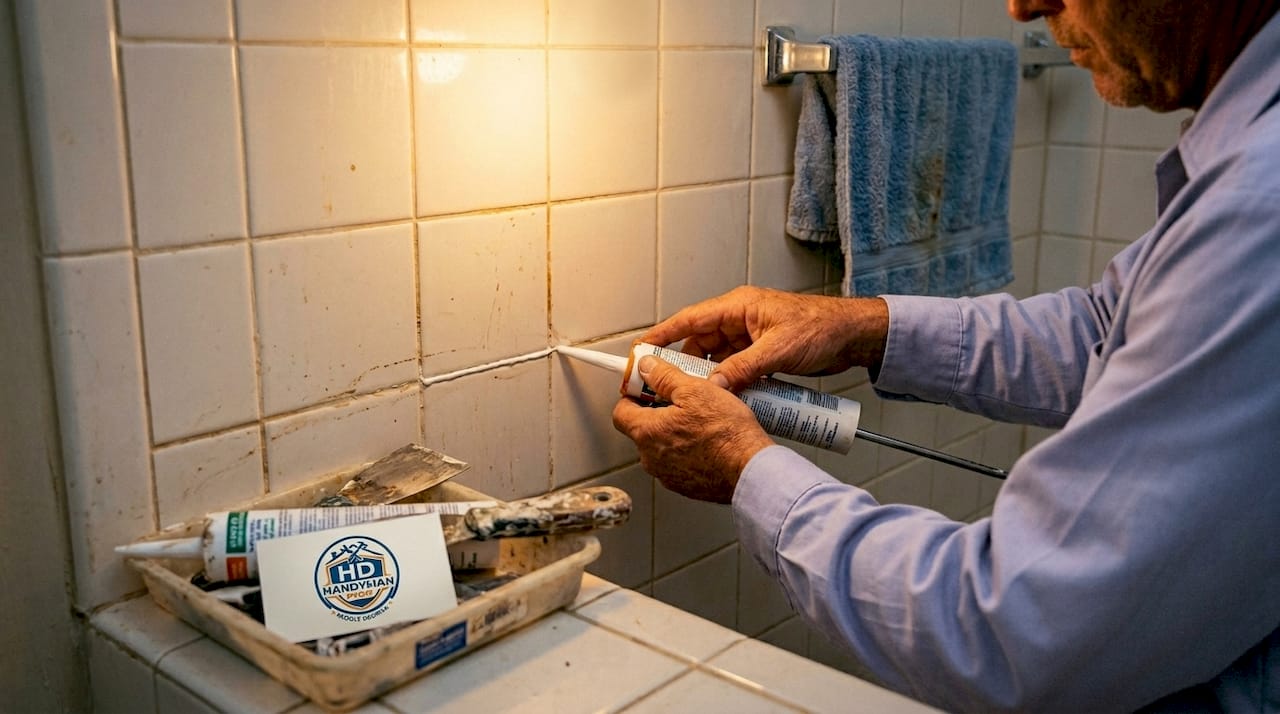
- For caulk failures around tubs and showers, use a utility knife to remove old caulk, clean the surface with rubbing alcohol, and apply new waterproof caulk in a smooth bead.
- Let caulk cure fully (usually 24 hours) before exposing it to water.
Pro Tip: Keep a small tube of waterproof caulk in your tool kit year-round. When you spot a hairline crack in grout or a lifting caulk edge, five minutes now saves five hours of remediation later.
Stop and call a professional if a leak source isn't obvious, if water is coming from inside a wall, or if you find soft or discolored drywall that suggests long-term water damage. Those repairs go well beyond a caulk gun.
Keeping your HVAC running smoothly: Filters and summer checkups
Moisture control naturally leads into HVAC upkeep, since air quality and humidity are major concerns in Middle Georgia. Your HVAC system is your home's front line against heat and humidity. Neglecting it costs you in energy bills first, then in repair bills when components fail from overwork.
Understanding filter types:
| Filter type | Best for | Replacement interval in Georgia |
|---|---|---|
| Basic fiberglass | Budget use, minimal allergens | Every 30 days in summer |
| Pleated (MERV 8-11) | Most households | Every 60 days |
| Allergen/HEPA style | Households with pets or allergies | Every 45 to 60 days |
For Georgia homes, seasonal HVAC upkeep should focus on more frequent filter checks and replacements during the humid summer months and inspecting condensate and drain pathways every season. A clogged condensate drain line is the number one cause of water damage from HVAC systems in humid climates. When the drain line clogs, the drain pan overflows, and water ends up on your floor, or worse, in your ceiling if the air handler is in the attic.
How to clear a condensate drain line:
- Locate the white PVC drain line running from your air handler (usually near the unit outside or in a utility closet).
- Find the access port, a small cap near the air handler.
- Pour a quarter cup of plain white vinegar into the access port every two months during cooling season.
- If the line is already clogged, use a wet/dry vacuum at the outdoor end to pull the clog free.
- Run the system and confirm water flows freely through the drain.
DIY versus professional HVAC service:
| Task | DIY appropriate | Call a pro |
|---|---|---|
| Filter replacement | Yes | No |
| Condensate drain clearing | Yes | No |
| Refrigerant check/recharge | No | Yes |
| Electrical component repair | No | Yes |
| Coil cleaning (basic) | Yes, with care | For deep cleans |
Pro Tip: Write the filter replacement date directly on the filter in permanent marker when you install it. Tape a sticky note inside the unit door as a backup reminder. Never rely on memory alone, especially during summer when systems run around the clock.
Keeping filters fresh also protects indoor air quality. In a humid climate, a dirty, clogged filter becomes a surface where mold spores and bacteria can collect and recirculate through your home every time the system runs.
DIY fixes for minor plumbing and squeaky floors
After maintaining airflow and moisture, tackling minor fixes and floor issues builds true confidence for ongoing home care. These are the repairs that make homeowners feel competent and capable. They're also the ones most likely to get deferred until they become bigger headaches.
Fixing a leaky faucet step by step:
- Turn off the water supply valves under the sink and open the faucet to release pressure.
- Remove the faucet handle by unscrewing the decorative cap and the screw underneath.
- Inspect the cartridge or washer at the base of the handle assembly. Worn washers are the most common cause of dripping faucets.
- Take the old cartridge or washer to a hardware store for an exact match. Don't guess on size.
- Install the new part, reassemble the handle, and slowly turn water back on.
Unclogging a drain:
- Remove the drain stopper if applicable and clean debris by hand first.
- Try a drain snake (also called a drain auger) before any chemical solution. Feed it into the drain, rotate, and pull back.
- For slow drains without full clogs, pour a mix of one cup baking soda followed by one cup of white vinegar, wait 20 minutes, then flush with hot water.
- Avoid chemical drain cleaners in older pipes. They can accelerate corrosion.
Learning basic repair skills like faucet repair, drain clearing, and caulk work are the foundation of confident DIY home care. They also help you recognize when something is beyond a basic fix, which is equally important.
Squeaky floor methodology:
The repair approach for squeaky floors centers on locating the joist beneath the squeak, confirming whether the cause is a loose nail, rubbing boards, or a gap between subfloor and joist, and then re-fastening from the accessible side using screws or shims.
- Walk the floor slowly to isolate exactly where the squeak occurs. Mark it with tape.
- From below (in a crawl space or basement), have someone stand on the squeak while you look for movement between the subfloor and joist.
- If there's a gap, tap a wood shim coated with wood glue into the space. Don't force it or you'll lift the floor above.
- If the subfloor is rubbing on the joist, drive screws up through the joist into the subfloor, stopping short of coming through the finished floor.
- If you have no access from below, use a specialty squeaky floor screw kit designed to snap off below the surface of hardwood without leaving a visible hole.
Pro Tip: Isolate the exact location before buying anything. Walk the floor in different lighting, listen carefully, and mark every squeak with tape before you start. Fixing the wrong spot is a frustrating waste of an afternoon.
Common DIY mistakes to avoid:
- Replacing parts before diagnosing the actual cause
- Using the wrong size fasteners, leading to pulled screws or split wood
- Skipping the water shutoff step before any plumbing work
- Applying new caulk over old without removing the failed material first
- Overtightening faucet components, which causes cracks in ceramic or plastic seats
What most guides miss: When DIY saves and when it doesn't
Most home maintenance guides are great at telling you what to fix. Very few are honest about when to put the tool down. After working on Middle Georgia homes, the pattern is clear: confident DIYers aren't people who can fix everything. They're people who know exactly where their lane ends.
The most useful mindset to adopt is what we call "stop conditions." A stop conditions approach treats DIY as the right tool for small preventive tasks while recognizing specific triggers, like unsafe electrical work, gas system issues, shutoffs that won't close, leaks that persist after repair, and problems hidden inside walls, as jobs for licensed professionals.
Here's the part that rarely gets said plainly: most of the expensive repair bills we see in Middle Georgia homes are not caused by homeowners attempting repairs. They're caused by homeowners delaying repairs because they weren't sure whether to call someone. A slow drip gets ignored for six months because the homeowner wasn't confident about whether it needed a plumber. By the time the cabinet floor collapses, the bill is ten times what early intervention would have cost.
DIY maintenance done consistently at a modest skill level beats deferred maintenance every time. You don't need to be an expert. You need to be attentive and willing to act on small problems before they grow.
The rule we follow: if the repair requires shutting off a main water line, involves any electrical panel or wiring, or touches gas supply in any way, the job belongs to a licensed professional, full stop. For everything else, a systematic approach with the right tools and honest self-assessment will take you a long way.
Need a hand? Professional solutions for Middle Georgia homeowners
Even the most prepared homeowner hits a job that needs professional backup, whether it's a persistent leak, an HVAC issue, or a repair that turns out to be bigger than expected once you open up the wall.

If you're in Middle Georgia and need reliable local support, Middle Georgia handyman services are available for both residential and commercial jobs of all sizes. From routine maintenance and minor repairs to larger projects that go beyond DIY scope, working with a trusted local handyman means getting the job done right without the uncertainty. Whether you've done the prep work and need a skilled set of hands to finish, or you want an expert assessment before you start, professional help is one call away.
Frequently asked questions
How often should I check for leaks in hidden areas?
Check under sinks, behind toilets, and around tubs at least seasonally, and more often during humid periods in Middle Georgia when conditions favor rapid moisture buildup and mold growth.
What is the safest DIY method for fixing a squeaky floor?
Identify the joist under the squeak and use screws or shims to secure the subfloor, following the joist and subfloor re-fastening method, always confirming the exact location before driving any fasteners.
How frequently should I replace HVAC filters in Georgia?
Replace filters at least four times a year, checking monthly during summer, since Georgia's humidity causes filters to collect debris and moisture faster than in drier climates.
When should I call a professional instead of doing a DIY repair?
Call a licensed pro whenever you encounter electrical, gas, or persistent leaks, or when a repair involves concealed structural or plumbing issues that go beyond visible surface work.