
TL;DR:
- Early assessment and preventive maintenance significantly reduce major repair costs and prolong building lifespan.
- Structural issues such as foundation and roof damage require prompt professional repairs to ensure safety.
- Regular inspections, moisture control, and routine upkeep are essential to prevent costly building emergencies.
Most homeowners and property managers in Middle Georgia don't think about building repairs until something goes visibly wrong. A crack appears in the wall. The ceiling starts to stain. The HVAC unit stops cooling in July. By that point, what could have been a minor fix has turned into a major expense. Understanding the different types of building repairs, when to act, and how to prioritize them is one of the most financially sound decisions you can make as a property owner. This guide walks you through everything you need to know, from structural issues to cosmetic touch-ups, so you can protect your investment and avoid costly surprises.
Key Takeaways
| Point | Details |
|---|---|
| Prevention beats reaction | Planning repairs ahead cuts costs and prevents bigger issues later. |
| Structural issues are urgent | Delays in foundation or roof repairs quickly lead to expensive, dangerous damage. |
| Cosmetic fixes add value | Simple surface repairs can quickly improve appearance and marketability. |
| Know your responsibility | Read your owner or HOA agreement to avoid repair disputes and protect your investment. |
| Moisture needs attention | Effective water management stops most long-term building problems at the source. |
How to assess repair needs: Criteria for choosing the right type
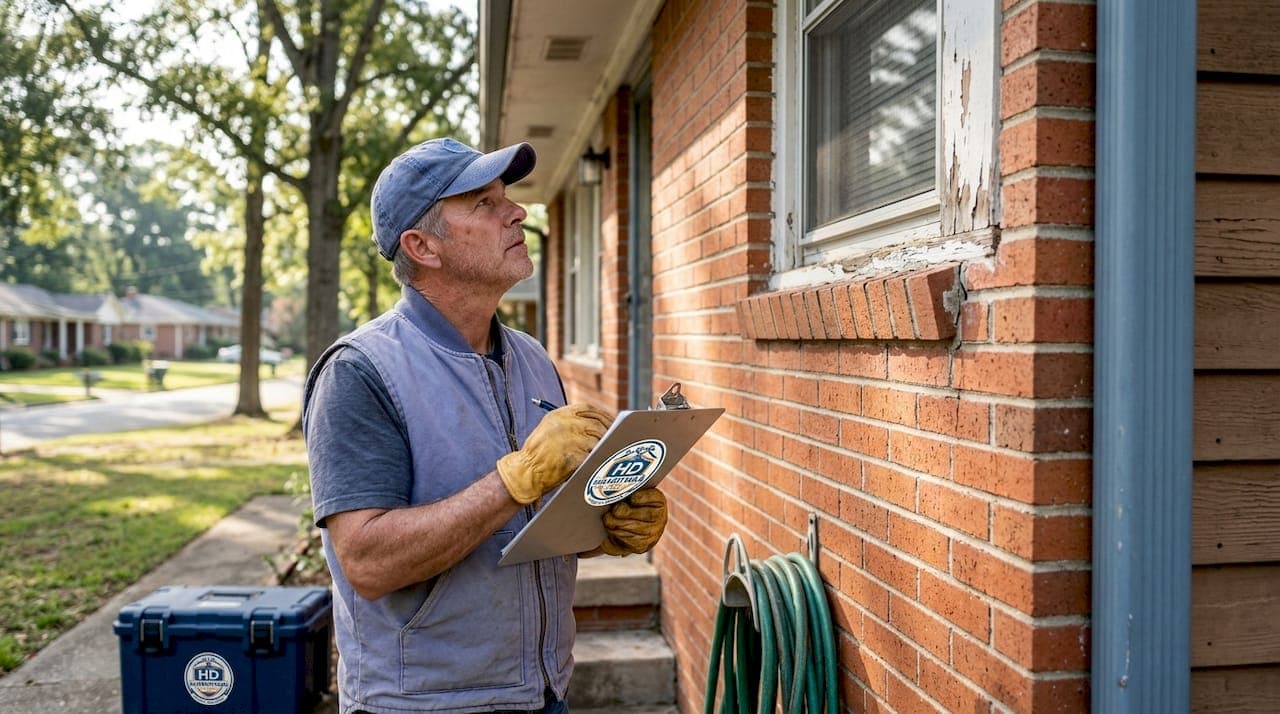
Before you pick up a phone or a tool, you need to know what you're actually dealing with. Jumping straight into repairs without a proper assessment is like treating symptoms without diagnosing the illness. You might fix one thing while missing the real problem entirely.
Start with these key factors when evaluating your property:
- Age of the building: Older structures in Middle Georgia often have aging materials, outdated systems, and wear patterns that newer builds don't. A 40-year-old home needs a different inspection lens than one built in 2010.
- Visible damage: Look for cracks in walls or ceilings, peeling paint, warped floors, rust stains, or water marks. These are signals, not just cosmetic annoyances.
- Moisture presence: Moisture is one of the most destructive forces in any building. Musty smells, soft drywall, or discoloration around windows and baseboards all point to water intrusion.
- System performance: Is your HVAC struggling to maintain temperature? Are water bills creeping up without explanation? Are lights flickering? These are signs your systems need attention.
- Last inspection date: If you can't remember the last time a professional walked through your property, that's already a red flag.
The financial case for early assessment is overwhelming. Reactive maintenance costs 3 to 5 times more than preventive maintenance, and a planned maintenance approach can cut operating expenses by 12 to 18%, with ROI reaching as high as 545%. That's not a rounding error. That's the difference between a manageable repair budget and a financial crisis.
Pro Tip: Create a seasonal maintenance checklist and set calendar reminders every spring and fall. Walk the property yourself and note anything that looks off. Free tools like Google Keep or property management apps can help you track issues over time and build a repair history that's useful when budgeting or selling.
The best-in-class ratio for planned versus unplanned maintenance is 80:20, meaning 80% of your repair activity should be scheduled, not reactive. Preventive maintenance checklists are a proven way to stay on that side of the ratio, saving between 12 and 40% on total repair costs while extending the life of your building's key components.
Structural repairs: Foundations, walls, and roofing
Structural repairs are the most serious category. These are the repairs where getting it wrong, or delaying action, can put people at risk and cost you tens of thousands of dollars. If cosmetic repairs are about how a property looks, structural repairs are about whether it's safe to occupy.
What counts as a structural repair?
- Foundation cracks, settling, or bowing walls
- Roof leaks, sagging decking, or damaged rafters
- Load-bearing wall damage
- Deteriorating support beams or floor joists
- Significant water intrusion that has compromised framing
The most common question homeowners ask is: when do I repair versus replace? For foundation walls, the threshold is fairly clear. Repair is viable for bowing under 2 to 4 inches or for minor cracks. Once a wall has displaced more than 4 inches, shows material deterioration, or has shear damage at the base, you're looking at full wall replacement. That process involves shoring, demolition, and a new reinforced concrete pour. It's not a weekend project.
For roofing, localized leaks and minor shingle damage are typically repairable. But if the decking is soft, the rafters are rotted, or more than 30% of the surface is compromised, a full replacement is usually more cost-effective long term.
Warning signs you should never ignore: horizontal cracks in foundation walls (these indicate soil pressure), dark staining on ceilings that reappears after painting, doors and windows that suddenly stick or won't close properly, and visible gaps between walls and the ceiling or floor. Any of these warrant an immediate professional inspection.
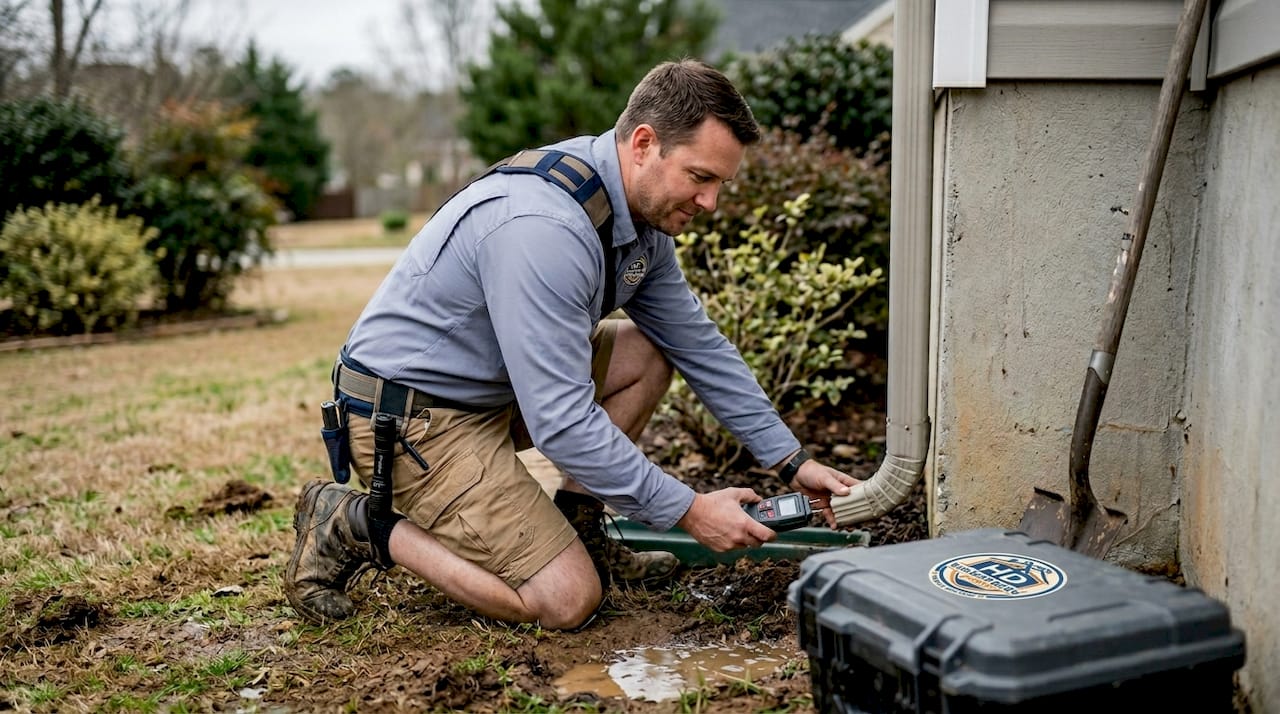
Moisture control is the single most important factor in preventing structural damage from escalating. Ensure your yard grading directs water away from the foundation. Keep gutters clean and downspouts extended. Apply sealants to exterior masonry and around windows and doors. In Middle Georgia's humid climate, this isn't optional maintenance. It's essential protection.
Cosmetic repairs: Surfaces, finishes, and minor fixes
Once structural integrity is confirmed, cosmetic repairs become your next focus. These are the repairs that affect how your property looks, feels, and functions on a day-to-day level. They don't carry the safety stakes of structural work, but they absolutely affect property value, tenant satisfaction, and your own quality of life.
Common cosmetic repairs include:
- Drywall patching: Holes, dents, and cracks from normal wear or minor impacts are easy to fix with the right compound and technique.
- Interior and exterior painting: Fresh paint is one of the highest-return cosmetic investments you can make before a sale or lease renewal.
- Caulking and sealing: Around tubs, sinks, windows, and doors, deteriorating caulk lets in moisture and looks unprofessional.
- Tile repair or replacement: Cracked or missing tiles in kitchens and bathrooms are both cosmetic and functional issues.
- Trim and molding fixes: Loose or damaged baseboards and door casings are quick wins that dramatically improve interior appearance.
- Minor flooring repairs: Scratched hardwood, loose laminate planks, or worn carpet sections can often be spot-repaired rather than replaced entirely.
Cosmetic repairs have a real impact on property value. A fresh coat of paint and updated fixtures can meaningfully increase perceived value during appraisals and showings. For rental properties, well-maintained cosmetic details reduce tenant turnover because people simply prefer to live in spaces that feel cared for.
If you live in a community with a homeowners association, it's important to know who handles what. HOAs typically cover shared exteriors, roofing on common structures, and shared utilities. Homeowners are responsible for interior repairs, private plumbing and electrical branches, and often balconies. Gray areas like windows and exterior doors depend on your specific community's CC&Rs (covenants, conditions, and restrictions). Read yours carefully before assuming coverage.
Pro Tip: For small drywall holes under 6 inches, a self-adhesive mesh patch and a pre-mixed joint compound are all you need. Sand it smooth, prime it, and paint. This is a safe DIY repair that takes about an hour and costs under $20. Save professional help for larger areas or anything near plumbing or electrical lines.
Utilities and system repairs: Plumbing, electrical, HVAC
System repairs sit in a unique category. They're not always visible, but they affect daily comfort, safety, and your utility bills every single month. Ignoring a small plumbing leak or an HVAC inefficiency doesn't just delay a problem. It compounds it.
Key system repairs to watch for include:
- Plumbing: Dripping faucets, slow drains, water heater issues, pipe corrosion, and toilet running continuously
- Electrical: Tripping breakers, flickering lights, outdated panels, non-functioning outlets, and any signs of burning smell or discoloration near outlets
- HVAC: Inconsistent temperatures, unusual noises, excessive cycling, refrigerant issues, and dirty or clogged filters causing reduced airflow
Some of these repairs you can handle yourself. Replacing a faucet, swapping a light switch, or changing an air filter are reasonable DIY tasks. But anything involving the main electrical panel, gas lines, or significant plumbing runs requires a licensed professional. In Georgia, unpermitted electrical and plumbing work can create liability issues and complicate future sales.
For property managers, knowing who covers system repairs is critical. As noted earlier, HOAs manage shared utilities like central HVAC systems in common areas or shared water lines, while individual unit owners handle their own branch systems. When something breaks in a gray area, having your CC&Rs in hand saves time and avoids conflict.
The financial argument for preventive system maintenance is strong. Reactive system repairs cost 3 to 5 times more than planned maintenance, and adding predictive monitoring (like smart thermostats or leak sensors) can add another 18 to 25% in savings on top of that. For a rental property with multiple systems, those numbers add up fast.
Comparison of repair methods and costs
With all three repair categories explained, here's a direct comparison to help you prioritize and budget effectively.
| Repair type | Typical cost range | Urgency level | DIY potential | Impact on property value | Proactive vs. reactive cost difference |
|---|---|---|---|---|---|
| Structural (foundation, roof, walls) | $1,500 to $30,000+ | High to critical | Low (professional required) | Very high | 3 to 5x more if reactive |
| Cosmetic (drywall, paint, tile, trim) | $50 to $5,000 | Low to medium | High (many DIY-friendly) | Moderate to high | Minimal difference |
| System (plumbing, electrical, HVAC) | $200 to $15,000 | Medium to high | Low to medium | High | 3 to 5x more if reactive |
The pattern is clear. For structural and system repairs, reactive maintenance costs dramatically more than planned work. A roof leak caught early might cost $400 to patch. Left for two more rainy seasons, you could be replacing decking, insulation, and drywall for $12,000 or more.
Cosmetic repairs are more forgiving in terms of urgency, but delaying them still affects livability and tenant retention. The key is building a prioritization system: address structural and safety issues first, then systems, then cosmetics. Never let a cosmetic preference distract you from a structural warning sign.
A property expert's take: It's not just about fixing, it's about preventing
Here's something we see constantly in Middle Georgia: property owners who are sharp, experienced, and financially savvy still fall into the reactive repair trap. Not because they don't know better, but because daily life gets in the way. A small crack gets mentally filed under "I'll deal with that later." A slow drain becomes background noise. And then one day, the ceiling caves in or the foundation wall shifts, and suddenly "later" costs $20,000.
Middle Georgia's climate makes this especially dangerous. The combination of hot, humid summers and wet winters creates ideal conditions for moisture intrusion, mold growth, and wood rot. A hairline crack in exterior caulking that would be harmless in a dry climate becomes a water highway here. We've seen it happen repeatedly: what looked like a minor cosmetic issue on the outside was masking serious water damage inside the wall cavity.
The honest truth is that most major repair bills are avoidable. Not all of them, but most. Building a preventive maintenance routine with a simple checklist and scheduled inspections is the single most impactful thing a property owner can do. It's not glamorous. It doesn't feel urgent. But it consistently delivers 12 to 40% savings on total repair costs over time.
Our advice: treat your property like a vehicle. You wouldn't skip oil changes and wait for the engine to seize. Apply the same logic to your building. Walk it twice a year with fresh eyes. Fix small things immediately. And when something looks wrong but you're not sure, call a professional for an assessment before it becomes obvious.
Need reliable building repairs in Middle Georgia?
Knowing what type of repair your property needs is only half the battle. Finding someone you can trust to do it right, on time, and at a fair price is the other half.

Our team provides building repair services in Middle Georgia for both residential and commercial clients across the Macon area. Whether you're dealing with a foundation concern, a cosmetic refresh before a sale, or a plumbing issue that's been nagging at you for months, we bring the experience and local knowledge to handle it properly. We offer free estimates so you can make an informed decision without any pressure. Reach out today and let's talk through what your property actually needs.
Frequently asked questions
What are the most common types of building repairs for homeowners?
Common repairs include foundation crack fixes, roof leak patching, drywall and paint touch-ups, and plumbing or electrical system maintenance. Most properties need a mix of all three categories at any given time.
When should I choose full replacement over repair for structural issues?
If foundation walls bow more than 4 inches or show severe material loss, replacement is usually necessary for safety rather than repair.
How can I save on building repair costs as a property manager?
Prioritizing preventive maintenance cuts operating costs by 12 to 18%, while planned repairs cost 3 to 5 times less than emergency reactive fixes.
Who is responsible for repairs in a condo: the HOA or the owner?
Generally, HOAs cover shared exteriors and common systems, while owners handle interiors, private plumbing, and balconies. Gray areas like windows depend on your community's specific rules.
What's the best way to prevent costly building repairs?
Regular inspections, consistent moisture control practices, and a scheduled maintenance checklist are the most effective strategies for avoiding major repair costs.